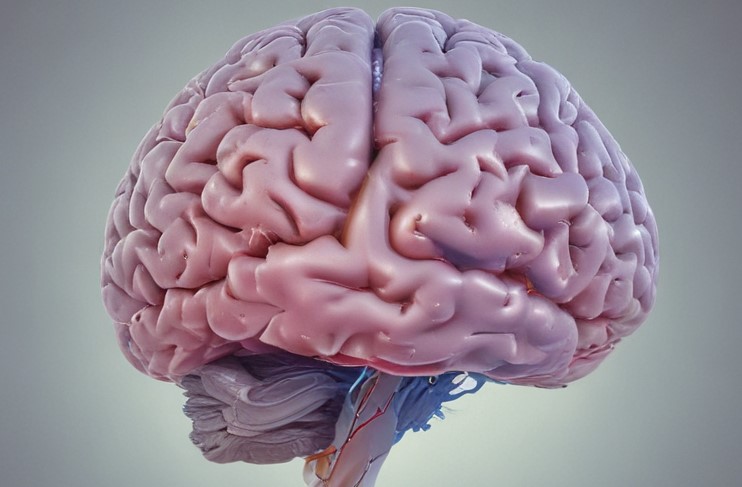
Eating sure ingredients assist you to burn greater energy and shrink your appetite. This useful impact is because of the herbal fibers, proteins and antioxidants contained in its composition. Certain ingredients and dietary supplements assist you to shed pounds naturally. Read Arpyrian critiques and get stimulated for healthful weight loss. https://cytograft.com/
Healthy plates are an easy way to control portions. For a healthy diet, fill half your plate with non-starchy vegetables, one-fourth with lean protein, and one-quarter with whole grains. https://cytograft.com
What is "whole person health"? Health includes not only obvious physical factors,
but also mental, emotional, social and even spiritual factors. The dictionary defines the word holistic as "characterized
by understanding the parts of something as closely related and capable of being explained only by reference to the whole".
When we use this word in regards to health, we mean the big picture.
Health And Medicine
Health Living
Everything around you, especially your home environment, mirrors your inner self.
So by changing your home, you also change the possibilities in your own life. Removing the obstacles to the
harmonious flow of energy in your living environment creates more harmony in your life and the space for wonderful new opportunities to come to you.
About
Cyto Graft is a blogging site related to Medicine and Health.
Constant contact with our environment, what we eat, and internal and external stress causes us to age over time. In this film, scientists learn about the biological process of aging, how a healthy lifestyle can keep us healthy throughout our lives, and what specific nutrients may have beneficial effects on our health. explore how is […]
Heart palpitations, constant fatigue, and stomach aches might seem like physical problems. But they can also be signs of something more profound. Anxiety disorders, though rooted in mental health, often reveal themselves through physical symptoms. Many people struggling with anxiety don’t realize that their recurring headaches or muscle tension could be linked to their mental state.
Research shows that anxiety activates the body’s fight-or-flight system. This stress response can wear the body down when triggered too often. This is why those living with untreated anxiety often feel physically unwell, even if medical tests show nothing unusual. The best way to address these symptoms is by treating the root cause—your mental health. Seeking the guidance of a psychiatrist Chicago can be a pivotal first step toward better emotional and physical well-being.
How Anxiety Triggers Physical Symptoms
When anxiety kicks in, the brain floods the body with stress hormones like cortisol and adrenaline. These chemicals prepare the body for danger, increasing heart rate, tightening muscles, and sharpening senses. But when the brain sends these signals repeatedly—without a real threat—the body begins to suffer. That’s when symptoms like chest pain, dizziness, or digestive issues appear.
Common physical symptoms of anxiety include:
Racing heart or irregular heartbeat
Shortness of breath
Muscle aches or tension
Fatigue and insomnia
Nausea, upset stomach, or irritable bowel
Sometimes these symptoms can mimic more serious conditions like heart disease or asthma. This leads to unnecessary emergency room visits or a long trail of medical tests. All the while, the actual issue—anxiety—remains untreated.
When Mental Health Affects Your Immune System
Beyond visible symptoms, anxiety can weaken the immune system over time. Chronic stress from anxiety keeps your body on high alert, which may cause inflammation and lower your ability to fight off illnesses. This means you might catch colds more easily or take longer to recover.
It’s also worth noting that people with anxiety often have poor sleep quality. Lack of proper rest further breaks down the body’s defenses, increasing vulnerability to illness and decreasing the ability to heal. Over time, this cycle of stress and disease becomes draining, both physically and mentally.
The Importance of Early Diagnosis and Treatment
Recognizing the signs of anxiety and acting early can make a big difference. Too often, people brush off their physical discomfort, thinking it’s something they’ll get over. Others fear the stigma around mental health and avoid seeking help. But with timely psychiatric support, it’s possible to treat anxiety before it takes a larger toll on your life.
Cognitive behavioral therapy (CBT), medication, or a mix of both can bring relief. Many patients find that as their anxiety decreases, their physical symptoms also begin to fade. The connection between mind and body is real and powerful.
Building a Healthier Mind-Body Connection
Learning to manage anxiety doesn’t just improve your mood—it transforms how you feel in your body. Lifestyle changes like regular exercise, mindfulness, and good sleep hygiene can also support recovery. But for lasting change, getting professional help is key.
Living with anxiety is hard enough. Living with anxiety that masks itself as a physical illness can feel overwhelming. But the good news is that you don’t have to figure it out alone. There are professionals trained to spot the signs, offer support, and guide you toward healing.
When your body feels off, don’t ignore your mental health. Anxiety doesn’t always look like worry—it can feel like chest pain or constant exhaustion. Understanding this connection is the first step. Taking action is the next step. Whether speaking to a friend or booking an appointment with a specialist, your well-being matters. Both your mind and your body deserve care.
Recently, platforms like pganabolics.is have transformed how people approach health and fitness, focusing on nutritional supplements that enhance well-being. They offers insights into anabolic compounds that promote muscle growth and recovery, significantly impacting physical health.
Nutritional psychiatry examines how diet and supplements impact mental well-being, suggesting that nutrition influences mood and cognitive function. This connection promotes holistic health strategies that combine physical and mental wellness, emphasizing informed dietary choices for a balanced lifestyle.
Gut-Mind Link and Pganabolics.is
The gut-brain axis is a critical concept in nutritional psychiatry, highlighting the connection between the gastrointestinal tract and the brain. Studies indicate that the gut microbiome is crucial to mood and cognitive functions. A probiotic diet, such as yogurt, fermented vegetables, and whole grains, can boost gut health and promote mental clarity and emotional stability.
Essential Nutrients for Mental Well-Being
Certain nutrients are crucial for mental health. Omega-3 fatty acids found in fatty fish, walnuts, and flaxseeds might aid in lowering symptoms of depression and anxiety. B vitamins, especially B12 and folate, are essential for neurotransmitter production that regulates mood.
Eating leafy greens, legumes, and fortified cereals can help you get these essential vitamins.
Watch Out for Sugar and Processed Foods
Certain foods can impact mental health negatively. High sugar and processed foods are linked to increased anxiety and depression. These diets cause blood sugar spikes and crashes, affecting mood stability. Reducing sugary snacks, soft drinks, and fast food can promote better emotional balance and overall mental wellness.
Shifting to a Mediterranean Diet?
The Mediterranean diet emphasizes whole foods such as fruits, vegetables, whole grains, nuts, and healthy fats and is associated with better mental health. Research suggests that following this diet may reduce the risk of depression and cognitive decline, enhancing both physical health and emotional resilience.
Mindful Eating: A Holistic Approach
How we eat also affects our mental health. Mindful eating—attention to hunger cues and savoring each bite—helps develop a healthier relationship with food. This conscious approach supports balanced eating and reduces emotional eating.
Nutritional psychiatry highlights the vital link between diet and mental health. Individuals can enhance their emotional well-being by prioritizing whole foods, essential nutrients, and mindful eating. As research advances, it becomes evident that mental wellness is closely tied to our diet, demonstrating that a holistic approach nurtures both body and mind.
More than 61 million adults in the U.S. live with a disability. The need for quality care is crucial for this population. Advances in medical technology and home care services for disabled individuals have transformed how care is delivered. These innovations not only enhance medical support but also significantly improve the quality of life for disabled individuals.
Home care services for disabled individuals are vital in providing tailored support. They help people manage their daily activities, ensuring they remain independent in their own homes. Personal care aides assist with tasks such as bathing, dressing, and medication management. These services have evolved thanks to medical advancements that prioritize comfort and effectiveness.
Technological Innovations
Smart Home Devices
Smart home technology is at the forefront of home care advancements. Devices like smart speakers, voice-activated assistants, and home monitoring systems offer support and enhance safety. For example, smart speakers can remind individuals to take their medications. Home monitoring systems can alert caregivers about unusual activities, ensuring prompt assistance.
Telehealth Services
Telehealth has gained momentum in recent years. It allows healthcare providers to offer consultations via video calls. This method is especially beneficial for disabled individuals with difficulty traveling to appointments. Telehealth can provide ongoing medical advice, follow-ups, and mental health support without the stress of transportation.
Wearable Health Technology
Wearable devices, such as fitness trackers and smartwatches, are changing how health is monitored. These devices can track vital signs, such as heart rate and sleep patterns. They help caregivers and healthcare providers make informed decisions about a person’s health. Data collected from these devices can be shared in real time, allowing for immediate medical interventions if necessary.
Innovative Therapies
Physical and Occupational Therapy
Modern therapies are becoming more personalized. Physical and occupational therapists now use advanced techniques and tools to support disabled individuals. New therapy methods focus on improving mobility and daily function. For instance, virtual reality (VR) creates engaging environments for therapy sessions. VR can help individuals practice real-life scenarios in a controlled setting.
Robotics and Assistive Devices
Robotic technology is another exciting development in-home care. Robots designed for mobility assistance can help individuals navigate their homes more easily. Additionally, assistive devices, such as modified wheelchairs and communication tools, enhance independence. These innovations not only support physical capabilities but also boost confidence and emotional well-being.
Personalized Care Plans
Each individual’s needs are unique. Personalized care plans are essential in ensuring effective support. Home care providers now utilize data-driven approaches to create tailored plans. This process involves assessing the individual’s specific needs, preferences, and goals. It ensures that the care provided is not only effective but also respectful of the individual’s lifestyle.
Enhancing Quality of Life
Social Connections
Isolation can be a significant issue for disabled individuals. Advanced home care services aim to foster social connections. Social activities and community programs are often included in care plans. This approach helps combat loneliness and encourages engagement with peers.
Improved Comfort and Dignity
Medical advancements have made it possible to provide care with increased comfort and dignity. For instance, specialized beds and adaptive clothing enhance the living experience for disabled individuals. Home care providers focus on creating an environment that is respectful and promotes well-being.
Increased Independence
The ultimate goal of home care services is to empower individuals. With the right support and tools, disabled individuals can lead fulfilling lives. They can manage their routines more independently, reducing reliance on family or institutional care. This shift enhances self-esteem and encourages personal growth.
Medical advancements in-home care are revolutionizing the support provided to disabled individuals. These innovations significantly enhance the quality of life, from smart home technology to personalized care plans. Home care services for disabled individuals are not just about medical support; they are about fostering independence, dignity, and connection.
Dentistry has come a long way from its humble beginnings. What was once a field primarily focused on treating toothaches and extracting teeth has evolved into a comprehensive branch of healthcare dedicated to preserving and enhancing oral health. A significant driving force behind this transformation has been the integration of health and medicine into dentist timonium. In this article, we explore the essential role that health and medicine play in advancing oral care and revolutionizing the dental industry.
I. Interdisciplinary Approach
The traditional distinction between dentistry and medicine is fading as healthcare professionals recognize the interconnectedness of oral health and overall well-being. Dentists and physicians are increasingly collaborating to provide a holistic approach to patient care. Conditions such as diabetes, cardiovascular disease, and autoimmune disorders have been linked to oral health, emphasizing the importance of a comprehensive healthcare strategy.
II. Early Detection and Prevention
Health and medicine have empowered dentists to detect and prevent oral diseases at an earlier stage. Medical technologies such as advanced imaging and biomarker analysis have made it possible to identify issues like oral cancers and periodontal disease in their infancy, greatly improving treatment outcomes and patient survival rates.
III. Personalized Treatment Plans
Incorporating medical knowledge into dentistry has allowed for more personalized treatment plans. Dentists can consider a patient’s complete medical history and ongoing health issues when crafting oral care strategies. This approach ensures that dental treatments are not only effective but also compatible with the patient’s overall health.
IV. Technology Advancements
Advancements in health and medical technology have significantly impacted dentistry. From 3D printing for customized dental implants to the use of artificial intelligence in diagnosis, these innovations are making oral care more efficient and patient-friendly. Integrating cutting-edge medical technologies into dental practices has improved precision, reduced recovery times, and enhanced patient comfort.
V. Oral-Systemic Health Education
A vital aspect of the integration of health and medicine into dentistry is patient education. Dentists now play a more active role in educating their patients about the links between oral health and systemic health. Understanding the potential consequences of untreated dental problems can motivate individuals to take better care of their oral health and seek timely treatment.
VI. Addressing Health Disparities
The partnership between health and medicine has also aided in addressing oral health disparities. Collaborative efforts between dentists and medical professionals have led to initiatives aimed at providing better access to oral care for underserved communities. These efforts include mobile dental clinics and outreach programs that offer preventative care and treatment.
VII. Future Innovations
The future of dentistry looks promising as health and medicine continue to influence the field. Emerging research into regenerative medicine may lead to new treatments for gum disease and tooth loss. Furthermore, the development of telemedicine and teledentistry is making it easier for patients to access dental advice and care, particularly in remote or underserved areas.
The marriage of health and medicine with dentistry has ushered in a new era of comprehensive oral care. The boundaries that once separated these fields have blurred, allowing for a more holistic and patient-centered approach. This evolution not only benefits individuals by improving their oral and overall health but also contributes to a broader understanding of the intricate connections between the mouth and the body. As the collaboration between these disciplines continues to evolve, the future of dentistry promises even greater advancements in patient care and outcomes.
Nootropic supplements are increasingly popular for boosting cognitive functions. Their promise of enhanced memory, focus, and mental clarity attracts many. Yet, safety and side effects are critical considerations for users.
What Are Nootropics?
Nootropics, also known as “smart drugs,” are substances aimed at improving cognitive performance. This category includes various drugs, supplements, and other substances. Some, like caffeine and L-theanine, are well-known, while others, like racetams, are less familiar but equally significant.
Understanding Safety Concerns
Safety is paramount when it comes to any supplement. Nootropics are no exception. Most nootropics are well-tolerated when used correctly. However, misuse or overuse can lead to unwanted side effects. Nootropic Brain Omeka offers an in-depth look at safe usage and recommended dosages.
Common Side Effects
Headaches: A frequent issue, often due to improper dosage.
Insomnia: High doses or late consumption can disrupt sleep patterns.
Digestive Issues: Some nootropics may cause nausea or gastrointestinal discomfort.
Mood Changes: While rare, some users report anxiety or mood swings.
Less Common, More Serious Side Effects
Heart Issues: Stimulant-based nootropics can affect heart rate and blood pressure.
Liver Toxicity: Certain nootropics can strain the liver, particularly with prolonged use.
Factors Influencing Safety
Several factors influence the safety of nootropic supplements:
Quality of the Product: Ensure you purchase from reputable brands.
Personal Health Conditions: Pre-existing conditions can impact how you react to nootropics.
Dosage: Adhering to recommended dosages is crucial to avoid side effects.
Combination with Other Medications: Nootropics can interact with other drugs, leading to adverse effects.
Personal Health and Nootropics
Always consult with a healthcare provider before starting any new supplement. They can provide personalized advice based on your health profile and existing medications.
Quality Matters
Choosing high-quality nootropics is essential. Poorly manufactured supplements may contain impurities or incorrect dosages. Look for third-party tested products to ensure purity and efficacy.
Responsible Usage
Here are a few tips to use nootropic supplements responsibly:
Start Low, Go Slow: Begin with the lowest effective dose and adjust gradually.
Monitor Effects: Keep track of any changes in mood, cognitive function, and physical health.
Cycle Usage: Avoid continuous use to reduce the risk of tolerance and dependency.
Stay Informed: Regularly review the latest research and expert opinions.
Nootropics can be a valuable tool for enhancing cognitive performance. However, understanding the safety and potential side effects is crucial for responsible use. By choosing high-quality products, adhering to recommended dosages, and consulting healthcare providers, users can minimize risks and maximize benefits.
Navigating the Florida health insurance marketplace can feel overwhelming, especially with the many options available.
Such plans are very important and one must go the extra mile to find what fits the requirements best.
Whether you’re new to the process or simply looking to switch plans, these four tips can help you out in making a more reasonable decision.
1. Evaluate and Understand Your Needs
The first step in obtaining any kind of insurance, whether its taking any insurance, ” Diving” into the “Plan” details or thoroughly understanding your unique healthcare requirements.
To start off, what any insured clients should do is look over automatic crediting medical expenses, such as taking in a relative cost baseline, medication, ailment or GP consultation.
A year can be a whole lot of things, perhaps a major ‘reshuffle’ like welcoming a child to the family or switching careers that might alerter patch your ‘health’ in the vivid span.
2. Evaluate the Plans You Intend to Buy
Plans are divided into subcategories on the Florida health insurance exchange; these categories include Bronze, Silver, Gold, and Platinum.
The amount of financial assistance provided through the insurance policy is determined by the type of cost-sharing tier which the metal category belongs to.
Bronze plans typically have the largest deductibles but low premiums, while Platinum plans have low deductibles and quite high monthly premiums.
Grasping how premiums, out of pocket costs, and deductibles work explains what plan is more affordable based on current finances and future medical expenses.
All health insurance plans do not include the same hospitals and doctors. A provider network is comprised of practitioners and facilities that can be visited according to the terms in the insurance plan.
Always look for your doctors and hospitals in the list of network physicians since seeking their service at an out-of-network facility can be expensive.
If there are services that are not in your plan network but are of great importance to you, look for specialists that offer those services in your plan network as well.
4. Analyze Out-of-Pocket Costs in Addition to the Premiums
It can at times be sensible to adjust one’s way of looking, and rather than looking at out-of-pocket expenses exclusively from a monthly premium viewpoint, instead also consider the month-out-of pocket expenses, which gives a better view of the overall affordability.
Highlight the role of deductibles, copayments, and coinsurance in determining the health care expenses for a family during a particular year.
Avoidance of frequent medical attention entails purchasing plans with low premiums but high deductibles, and it’s a non-rewarding practice.
It would also have secured out a plan that has tolerable out-of-pocket restrictions and could suit one’s outlay and usage pattern, essentially containing financial worries.
Conclusion
Most often, people think the process of finding the right health insurance plan is a cumbersome task; however, this is completely wrong.
When you have taken into consideration your health needs, the type of plans you require, the networks of providers, and the costs associated with them, in the marketplace for health insurance in Florida, you are bound to make the choice that is most appropriate.
Lastly, doing these steps allows for ensuring that one is purchasing a policy that is worth the coverage and the chance of claiming it, allowing smooth transitions to the necessary coverage.
Male enhancement products are commonly used, yet they remain a topic many are cautious to discuss openly. With a range of products promising improvements in sexual performance, it’s essential to look into how these pills work, their true effectiveness, and any associated health risks. While some individuals find these supplements beneficial, understanding the medical insights and potential impacts on health is critical before beginning any enhancement regimen.
How Male Enhancement Pills Work
Male enhancement pills are typically formulated to improve blood flow, increase libido, or support stamina. The primary focus of these products is often to address erectile dysfunction (ED) by promoting circulation to the penile area. Ingredients in these supplements may include:
L-Arginine – an amino acid that can increase blood flow by aiding nitric oxide production.
Ginseng and Maca Root are herbal extracts that boost energy and sexual desire.
Yohimbe – a natural stimulant believed to improve arousal and stamina.
The mechanisms behind these ingredients can vary. For instance, supplements containing L-arginine may help with blood vessel dilation, which is essential for achieving and maintaining erections. Meanwhile, herbs like ginseng and maca root are thought to enhance libido and reduce fatigue. However, scientific evidence supporting these claims is still mixed, and results can vary from person to person.
Effectiveness and Limitations
The effectiveness of male enhancement pills largely depends on the individual’s health, the underlying cause of sexual performance issues, and the specific formulation of the product. While some users report improvements, the effectiveness of these products can be limited for various reasons:
Underlying Health Issues: Conditions like diabetes, hypertension, and heart disease may affect sexual health and are not easily managed with supplements alone.
Temporary Effects: Many male enhancement pills offer temporary benefits rather than a long-term solution for sexual health problems.
Placebo Effect: Some users experience perceived improvements due to the placebo effect, where belief in the product’s efficacy contributes to reported results.
The effectiveness of these products is generally more notable when used as a supplement to a healthy lifestyle, including regular exercise, a balanced diet, and stress management.
Health Risks and Potential Side Effects
While male enhancement pills are widely available, not all are without risk. Certain ingredients, especially in unregulated products, can pose health concerns:
Heart Health Risks: Ingredients like Yohimbe and high levels of stimulants can affect heart rate and blood pressure, which can be dangerous for people with heart issues.
Hormonal Imbalance: Some products contain substances that can disrupt natural hormone levels, potentially causing mood swings, fatigue, or even weight gain.
Allergic Reactions: Herbal ingredients may trigger allergic reactions in some individuals, leading to symptoms like rash, swelling, or breathing difficulties.
It’s essential to read labels carefully and research each ingredient. Products that do not clearly list ingredients or dosage information should be avoided, as they may contain harmful or unapproved substances.
The Importance of Consulting a Healthcare Provider
Before using any enhancement product, consulting with a healthcare provider is crucial. Medical professionals can provide insights tailored to your specific health needs and identify any possible interactions with medications. Key points to discuss with a healthcare provider include:
Current Health Conditions: Certain health conditions may increase the risks associated with enhancement supplements.
Medications and Interactions: Some ingredients may interact negatively with prescribed medications, especially those for heart disease or blood pressure.
Alternative Treatments: A doctor can recommend safer or more effective treatments for issues like erectile dysfunction or low libido, such as prescription medications, therapy, or lifestyle adjustments.
Factors to Consider Before Using Male Enhancement Products
When evaluating whether male enhancement products are the right choice, consider these factors to make an informed decision:
Ingredients and Safety: Check for clinically tested ingredients, preferably backed by research, and ensure no harmful additives are present.
Product Reviews: Reviews from real users can provide insights into the product’s effectiveness, but take these with caution, as not all experiences will apply to everyone.
Company Transparency: Choose reputable brands with full ingredient transparency and dosage instructions. Avoid products from companies with vague or misleading labeling.
Purpose and Expectation: Enhancement products may not be a cure-all for sexual health issues. Have realistic expectations about the results these supplements can deliver.
Trial Period: Some products may offer a trial period. If you decide to try a product, monitor how your body reacts during the initial phase and discontinue if any adverse effects occur.
Are There Natural Alternatives?
Aside from supplements, lifestyle changes can significantly impact sexual health and performance. Natural alternatives may include:
Diet and Exercise: A healthy diet rich in essential nutrients, combined with regular exercise, can improve energy levels, cardiovascular health, and stamina.
Stress Management: Chronic stress can impact libido. Techniques like mindfulness meditation or yoga can be beneficial.
Sleep: Quality sleep supports hormone production, energy levels, and mood, all of which are critical for sexual health.
In some cases, natural methods can be effective for addressing mild sexual health concerns. However, severe issues may require medical treatment rather than supplements alone.
Male enhancement products can provide a convenient option for those looking to boost sexual performance, but they are not suitable for everyone. The safety and effectiveness of these supplements depend heavily on individual health factors, product quality, and expectations. Always consult a healthcare provider to assess whether these products align with your health needs and discuss safer alternatives if necessary. Remember, managing overall health with a balanced lifestyle often yields the best results for sexual well-being.
Natural ingredients are gaining popularity in the world of health and wellness. ProDentim, a probiotic supplement for oral health, is one such product that harnesses the power of natural ingredients to improve dental care. With its carefully selected components, ProDentim offers a healthier alternative to chemical-based dental products.
For those interested in a natural approach to oral health, Geeks Health Prodentim reviews provide detailed insights into the ingredients and benefits of ProDentim. This resource is invaluable for anyone looking to improve their dental care routine with natural supplements.
Key Ingredients in ProDentim
ProDentim’s formulation is rooted in nature. It combines the benefits of probiotics with natural ingredients known for their oral health benefits.
Lactobacillus reuteri: This probiotic strain reduces gum inflammation and promotes a healthy balance of bacteria in the mouth.
Bifidobacterium Lactis: Supports the immune system and helps maintain oral health by controlling harmful bacteria.
Peppermint Extract: Known for its natural antibacterial properties, peppermint also helps freshen breath.
Malic Acid: Naturally found in fruits, malic acid helps maintain tooth whiteness by reducing the appearance of stains.
Inulin: A natural prebiotic that supports the growth of beneficial bacteria, contributing to a healthier mouth.
The Benefits of Natural Dental Care
Switching to natural dental products like ProDentim has several advantages:
Reduced Exposure to Chemicals: Many conventional dental products contain harsh chemicals that can cause irritation or allergic reactions. ProDentim’s natural ingredients offer a gentler alternative.
Sustainability: Natural ingredients are often more environmentally friendly, contributing to a more sustainable dental care routine.
Holistic Health: Natural ingredients support oral health and overall wellness, making them a preferred choice for those seeking a holistic approach to health.
ProDentim offers a unique blend of natural ingredients that work together to support oral health. Its probiotic strains are specially selected for their ability to promote a healthy mouth, while its natural ingredients provide additional benefits like fresh breath and tooth whitening.
By choosing ProDentim, you’re opting for an effective and gentle product on your body. Learn more about the benefits of ProDentim by visiting GeeksHealth.
The potential of NMN and NAD+ supplements in promoting health and longevity has spurred significant interest among scientists and healthcare professionals. Recent clinical trials and research studies shed light on their efficacy, safety, and possible therapeutic applications.
Clinical Trials on NMN and NAD+ Supplements
Recent clinical trials have focused on understanding how NMN and NAD+ supplementation impacts human health. A key area of investigation is how these supplements can improve age-related conditions. For instance, a 2020 study on older adults demonstrated that NMN supplementation effectively raised NAD+ levels, improving muscle function and endurance.
Another study investigated the effects of NMN on metabolic health. NMN participants experienced enhanced insulin sensitivity, suggesting potential benefits for managing age-related metabolic disorders like type 2 diabetes. This finding aligns with animal preclinical studies showing that NMN could improve glucose tolerance and reduce body weight.
Quora offers a detailed exploration of NMN and NAD+ supplements for further insights into the latest research and findings.
Safety and Efficacy of NMN and NAD+
Safety is crucial to any supplement, and NMN is no exception. Recent studies have consistently shown that NMN is well-tolerated in humans, with minimal side effects. For example, a 2021 clinical trial involving healthy adults reported that NMN supplementation of up to 500 mg daily was safe and did not cause significant adverse effects.
Efficacy, however, is where the potential of NMN shines. Researchers have found that NMN can increase NAD+ levels within hours of consumption. This rapid boost in NAD+ is associated with several health benefits, including improved cardiovascular function, enhanced cognitive performance, and increased resistance to physical and oxidative stress.
Therapeutic Applications of NMN and NAD+
Given their role in cellular health, NMN and NAD+ supplements are being explored for their therapeutic potential in various conditions. For example, researchers are investigating their use in neurodegenerative diseases like Alzheimer’s and Parkinson’s. Early studies suggest boosting NAD+ levels may help protect neurons, reduce inflammation, and slow disease progression.
Moreover, NMN and NAD+ are being studied for their role in cardiovascular health. A study published in 2022 showed that NMN supplementation improved vascular function in older adults, reducing arterial stiffness and enhancing blood flow. These findings indicate potential benefits for preventing and managing age-related cardiovascular diseases.
Future Directions in Research
The growing body of research on NMN and NAD+ is promising, but there is still much to learn. Future studies will likely focus on long-term effects, optimal dosing strategies, and potential interactions with other supplements or medications. Additionally, researchers are interested in exploring the benefits of NMN in younger populations, particularly athletes, to determine whether these supplements can enhance performance and recovery.
For healthcare professionals and individuals interested in the latest advancements, staying informed about ongoing research is essential. quora.com is a valuable resource for keeping up with the latest findings and developments in NMN and NAD+ supplementation.
The latest clinical trials and research on NMN and NAD+ supplements underscore their potential as powerful tools for promoting health and longevity. With growing evidence supporting their efficacy and safety, these supplements are becoming increasingly popular among those looking to improve their well-being.
As research continues to evolve, the therapeutic applications of NMN and NAD+ will likely expand, offering new possibilities for age-related disease prevention and health optimization.
Post-cataract surgery swelling is a common but manageable condition. After surgery, some degree of swelling, particularly in the cornea, is expected. This swelling can affect vision and comfort, so understanding its causes and how to treat it effectively is essential. Learn more about Post-Cataract Surgery Swelling on CreditHealth.
Causes of Swelling After Cataract Surgery
Swelling, also known as edema, often occurs due to surgical eye manipulation. The procedure involves removing the cloudy lens and replacing it with an artificial one, which can irritate the surrounding tissues. Additionally, certain underlying conditions like diabetes or a history of eye surgery can increase the risk of post-surgery swelling.
The surgical process itself can cause trauma to the eye, leading to inflammation and fluid accumulation. This is a natural response as the body works to heal the affected area. Sometimes, using certain medications during surgery can also contribute to swelling.
Common Symptoms
Post-cataract surgery swelling can manifest through various symptoms, including:
Blurred or hazy vision: This is often the most noticeable symptom, as the swelling can interfere with the clarity of vision.
Light sensitivity: Patients may find bright lights uncomfortable or even painful.
Eye discomfort or pain: The affected eye may feel sore or achy.
Swelling around the eye: Visible puffiness or swelling can occur around the surgical site.
Increased tear production: The eye may produce more tears than usual in response to irritation.
These symptoms typically appear shortly after surgery and should gradually improve with proper care. However, if symptoms persist or worsen, it is crucial to consult with an ophthalmologist.
Effective Treatments
To reduce post-cataract surgery swelling, doctors often recommend several treatments:
Anti-inflammatory Eye Drops: These are crucial for reducing inflammation and promoting healing. They help to minimize swelling and discomfort, allowing the eye to recover more quickly.
Cold Compresses: Applying a cold compress to the affected eye can help reduce swelling and discomfort. This simple remedy can provide immediate relief and is easy to do at home.
Oral Medications: Doctors may sometimes prescribe oral anti-inflammatory medications to manage more severe swelling. These medications can help control inflammation from within the body.
Monitoring: Regular follow-up appointments with your ophthalmologist are essential to monitor the healing process and adjust treatments as needed. These check-ups ensure that any complications are detected early and managed appropriately.
In addition to these treatments, maintaining good overall eye health is important. Patients should follow their doctor’s instructions carefully, avoid rubbing their eyes, and protect their eyes from potential irritants.
Understanding the causes and treatments of post-cataract surgery swelling is crucial for a smooth recovery. By following your doctor’s advice and recognizing the symptoms early, you can ensure that your vision returns to normal as quickly as possible. Proper care and timely intervention can make a significant difference in the healing process, helping you regain clear and comfortable vision.
Navigating the world of health supplements can be tricky. With countless products on the market, consumers often face confusion and disappointment. This confusion often leads to complaints, especially when products don’t meet expectations. Fitspresso, a popular brand in the industry, has received mixed customer reviews. While some praise the effectiveness of their supplements, others express concerns about taste, pricing, and inconsistent results. Understanding and avoiding consumer reports complaints can save time, money, and health risks.
Common Complaints and Issues
1. Effectiveness
One of the most frequent complaints about health supplements is their lack of effectiveness. Many users expect immediate or significant results, but supplements require consistent use over time. Factors like individual metabolism, diet, and lifestyle also affect how well a supplement works.
2. Side Effects
Another common concern is side effects. Ingredients like caffeine or certain herbs can cause unwanted reactions, such as jitteriness, digestive issues, or allergies. For instance, some users of Fitspresso have reported feeling jittery, likely due to its caffeine content.
3. Misleading Marketing
The health supplement industry is notorious for bold claims that sometimes border on the deceptive. Promises of rapid weight loss or miraculous cures can lure in unsuspecting consumers. When the results don’t match the claims, disappointment and frustration follow.
4. Quality and Safety
The quality of supplements varies widely. Issues like contamination, inaccurate ingredient labeling, and the presence of banned substances can pose serious health risks. It’s crucial to choose products from reputable brands and check for certifications or third-party testing.
How to Make Informed Decisions
Making informed decisions about health supplements requires careful consideration. Here are some tips:
Research Ingredients: Understand what you’re putting into your body. Look up each ingredient and its potential benefits and side effects.
Read Reviews: While reviews can be subjective, they offer valuable insights into other users’ experiences. Look for patterns in the feedback.
Consult Healthcare Providers: Always consult a healthcare professional before starting any new supplement, especially if you have existing health conditions or are taking medication.
Check Certifications: Look for certifications from reputable organizations that verify the quality and safety of the supplement.
What to Do If a Product Doesn’t Work
If a supplement doesn’t work or causes issues, there are steps you can take:
Stop Using the Product: If you experience side effects or don’t see results, discontinue use immediately.
Contact Customer Service: Reach out to the company’s customer service. Many brands offer money-back guarantees or refunds.
Report to Regulatory Agencies: If you believe the product is unsafe or misleading, report it to relevant regulatory bodies like the FDA.
Health supplements can offer various benefits, but they also come with risks and uncertainties. Being informed and cautious can help consumers avoid common pitfalls. Whether it’s understanding potential side effects, recognizing misleading marketing, or ensuring product quality, a little knowledge goes a long way. Always prioritize your health and well-being by making informed choices and consulting with professionals when necessary.
Starting the day with a preghiera del mattino brings spiritual nourishment and a sense of calm, fostering inner peace and resilience. However, it’s essential also to prioritize mental and physical health, recognizing the significance of mental well-being and addressing it without judgment. This spiritual and mental well-being blend creates a foundation for overall health and harmony.
Making Preghiera del Mattino a Habit
The stigma surrounding mental health often arises from misconceptions. Outdated beliefs lead many to view mental health issues as a display of weakness. As a result, discrimination and social exclusion can occur. It’s crucial to provide education and increase awareness to confront these beliefs.
Spreading correct information and personal stories can contribute to changing public opinion.
The Power of Open Conversations
When individuals speak openly about their mental health, it can have a profound effect. Sharing these experiences can help reduce isolation and inspire others to do the same. When prominent individuals and celebrities share their encounters, it helps to make mental health discussions more commonplace. It fosters an environment where open dialogues can take place in a safe and supportive manner.
Seeking Professional Help
Getting assistance from mental health experts is crucial to dealing with mental health challenges. Therapists, counselors, and psychiatrists have the training to offer the help and care needed for healing. It’s crucial to understand that seeking assistance demonstrates strength, not weakness.
Support Systems and Resources
Building a robust support system can significantly impact mental health. Friends, relatives, and support networks can offer emotional support and helpful guidance. Online resources and helplines also provide confidential support for those in need. Knowing where to turn for help can make the journey to mental wellness less daunting.
Promoting Mental Health Awareness
Promoting mental health awareness involves continuous effort and commitment. Schools, businesses, and neighborhoods can make a significant impact by incorporating mental health education into their initiatives. Encouraging self-care practices, such as mindfulness, exercise, and healthy eating, can also contribute to better mental health. By prioritizing mental wellness, we create a culture of acceptance and understanding.
Promoting a healthier society requires actively encouraging individuals to seek help and correct misunderstandings about mental health. It’s crucial to foster open conversations, provide professional support, and establish robust support systems to raise awareness about mental health. Embracing these transformative changes is imperative for promoting a compassionate and thriving community.
Respiratory conditions require effective and timely treatment to ensure patients lead comfortable and healthy lives. Mesh nebulizers have revolutionized the way respiratory medications are delivered, offering significant advantages over traditional nebulizers. This article explores the benefits of mesh nebulizers, highlighting their efficiency, ease of use, and impact on managing chronic respiratory conditions.
The Efficiency of Mesh Nebulizers
Among the best portable nebulizers is the mesh nebulizers use advanced technology to deliver medication directly to the lungs. This process involves a vibrating mesh with thousands of microscopic holes that create a fine mist from liquid medication. This method has several benefits:
Precise Delivery: The fine mist produced by mesh nebulizers ensures that medication reaches deep into the lungs, providing effective treatment.
Reduced Waste: Traditional nebulizers often result in medication wastage. Mesh nebulizers, however, deliver nearly all the prescribed dose, minimizing waste.
Faster Treatment: The efficient aerosolization process of mesh nebulizers means shorter treatment times, which is especially beneficial for children and busy adults.
Ease of Use
One of the standout features of mesh nebulizers is their user-friendly design. These devices are straightforward to operate, making them accessible to patients of all ages. Key aspects of their ease of use include:
Simple Assembly: Mesh nebulizers are typically easy to assemble and disassemble, which is crucial for cleaning and maintenance.
Portable Design: Their compact and lightweight design makes them ideal for use at home, at work, or on the go.
Quiet Operation: Unlike traditional nebulizers, mesh nebulizers operate quietly, ensuring that treatments do not disturb others around you.
Impact on Managing Chronic Respiratory Conditions
Chronic respiratory conditions, such as asthma and chronic obstructive pulmonary disease (COPD), require consistent and effective treatment. Mesh nebulizers have proven to be highly effective in managing these conditions by providing:
Consistent Medication Delivery: Patients receive a consistent dose of medication with each use, which is critical for managing chronic conditions.
Improved Compliance: The convenience and ease of use of mesh nebulizers can lead to better compliance with treatment regimens.
Versatility: Mesh nebulizers can be used with a variety of medications, making them suitable for treating different types of respiratory conditions.
The Science Behind Mesh Nebulizers
Mesh nebulizers stand out due to their innovative technology. They employ a vibrating mesh or membrane with tiny holes, which is responsible for creating the fine aerosol mist. This technology has several advantages:
Low Residual Volume: Mesh nebulizers leave very little medication residue, ensuring that patients receive the full prescribed dose.
Battery Operated: Most mesh nebulizers are battery-operated, providing greater flexibility and mobility for patients.
Durability: These devices are designed to be durable, ensuring they last through multiple treatments and daily use.
Portable Nebulizers for Pediatric Care
Children with respiratory conditions benefit greatly from the use of portable mesh nebulizers. These devices are designed with features that cater specifically to the needs of young patients:
Child-Friendly Designs: Many mesh nebulizers come in fun and engaging designs that make treatment less intimidating for children.
Fast and Efficient: Quick treatment times mean that children don’t have to stay still for long periods, making the process more manageable for both the child and the caregiver.
Quiet and Discreet: The quiet operation of mesh nebulizers ensures that treatments can be administered without causing anxiety or disturbance.
Technological Integration
Modern mesh nebulizers are increasingly integrating with smart technology to enhance patient care. Features such as Bluetooth connectivity and mobile apps are becoming common, offering additional benefits:
Tracking and Monitoring: Patients can track their treatment sessions and monitor their progress through connected apps.
Personalized Treatment Plans: Smart features allow for the creation of personalized treatment plans based on the patient’s specific needs and medical history.
Data Sharing: Easy data sharing with healthcare providers enables better management of the patient’s condition.
Choosing the Right Mesh Nebulizer
When selecting a mesh nebulizer, it is important to consider factors such as:
Portability: Ensure the device is easy to carry and use wherever needed.
Battery Life: Look for nebulizers with long battery life to avoid frequent recharging.
Medication Compatibility: Confirm that the nebulizer is compatible with the medications prescribed by your healthcare provider.
Ease of Cleaning: Choose a device that is easy to disassemble and clean to maintain hygiene and efficiency.
Mesh nebulizers have transformed respiratory care with their advanced technology and user-friendly design. Devices like the TruNeb Portable Mesh Nebulizer exemplify these benefits, offering effective, convenient, and reliable treatment for respiratory conditions. By understanding the advantages of mesh nebulizers, patients and healthcare providers can make informed decisions to enhance respiratory health and overall well-being.
Brain health and cognitive enhancement are crucial aspects of overall well-being and productivity. A healthy brain is essential for performing everyday tasks, making decisions, and maintaining relationships. Cognitive enhancement, which involves improving cognitive functions such as memory, focus, and mental clarity, allows individuals to optimize their performance in various areas of life.
One such avenue for cognitive enhancement is the use of nootropic supplements like ZenCortex. In this post, let us explore the science behind cognitive enhancement and understand how ZenCortex can improve brain function (source: Zen Cortex Reviews 2024).
Understanding Cognitive Enhancement
Cognitive enhancement refers to the improvement of cognitive abilities such as memory, focus, and mental clarity beyond what is considered normal for a particular age group. It involves enhancing brain function to optimize performance in various tasks, whether they be academic, professional, or daily activities.
The Role of ZenCortex in Cognitive Enhancement
ZenCortex is a nootropic supplement designed to support brain health and cognitive function. It contains a blend of carefully selected ingredients that work synergistically to provide a range of benefits for the brain.
Key Ingredients of ZenCortex
Bacopa Monnieri: This herb has been shown to improve memory and cognitive function by reducing anxiety and enhancing neurotransmitter activity in the brain.
Ginkgo Biloba: Known for its antioxidant properties, Ginkgo Biloba improves blood flow to the brain, which can enhance memory and cognitive performance.
L-Theanine: Found in green tea, L-Theanine promotes relaxation without drowsiness, leading to improved focus and attention.
Phosphatidylserine: This phospholipid is essential for maintaining cell structure in the brain and has been linked to improved memory and cognitive function.
Rhodiola Rosea: Rhodiola Rosea helps the body adapt to stress, which can improve mental performance and reduce fatigue.
Effects of ZenCortex on Brain Function
Memory Improvement
ZenCortex has been reported to enhance both short-term and long-term memory. By supporting neurotransmitter activity and promoting healthy brain cell function, it helps users retain information more effectively.
Focus and Concentration
The ingredients in ZenCortex work together to improve focus and concentration, allowing users to stay engaged and productive for longer periods. Many users report feeling more alert and attentive after taking ZenCortex.
Mental Clarity
ZenCortex promotes mental clarity by reducing brain fog and enhancing cognitive function. Users often experience improved problem-solving abilities and overall mental sharpness when taking ZenCortex regularly.
Read Reliable ZenCortex Reviews
Reading customer reviews about nootropic supplements like Zen Cortex is crucial for anyone considering incorporating them into their routine. These supplements claim to enhance cognitive function and support brain health, but individual experiences can vary widely. By reading reviews, potential users can gain insight into how Zen Cortex has worked for others, including its effectiveness in improving memory, focus, and mental clarity.
Reviews can provide information about any potential side effects or drawbacks, helping individuals make informed decisions about whether Zen Cortex is right for them. With the abundance of nootropic supplements on the market, reading customer reviews can help individuals navigate through the options and choose a product that best suits their needs and preferences.
The science behind cognitive enhancement reveals the potential for improving brain health and function with the use of supplements like ZenCortex. By understanding the key ingredients and their effects on memory, focus, and mental clarity, individuals can make informed choices about incorporating ZenCortex into their daily routines. With positive consumer reviews supporting its efficacy, ZenCortex stands as a promising option for those seeking to optimize their cognitive abilities.
All-natural dietary supplements have emerged as a popular choice for individuals seeking to shed excess pounds in the ever-evolving landscape of weight loss solutions. These supplements, such as Fitspresso (check out the Fitspresso QoC Health new 2024 consumer report), often derived from herbs, plants, and other natural sources, promise to support weight loss efforts without the use of synthetic chemicals or pharmaceuticals. However, amidst the plethora of products available on the market, it’s crucial to understand the science behind these supplements to discern what truly works and what doesn’t.
One of the most well-known all-natural weight loss supplements is green tea extract. Green tea contains compounds called catechins, notably epigallocatechin gallate (EGCG), which have been studied for their potential to boost metabolism and promote fat burning. Research suggests that green tea extract may modestly increase calorie expenditure and fat oxidation, making it a popular ingredient in many weight loss formulas. However, the effects are often subtle and may not lead to significant weight loss on their own.
Another natural supplement that has gained attention is Garcinia cambogia extract. This tropical fruit, also known as Malabar tamarind, contains hydroxycitric acid (HCA), which proponents claim can inhibit an enzyme called citrate lyase, involved in fat production. Some studies have shown promising results, indicating that Garcinia cambogia may lead to modest weight loss in certain individuals. However, more rigorous research is needed to confirm these findings and determine the long-term safety and efficacy of this supplement.
Similarly, forskolin, a compound derived from the Indian coleus plant, has been touted for its potential to increase levels of cyclic adenosine monophosphate (cAMP), a molecule that regulates metabolism. While some studies have suggested that forskolin may help promote fat loss and preserve lean body mass, the evidence is limited, and further research is warranted to validate these claims.
On the other hand, not all natural weight loss supplements have scientific backing. For instance, products containing raspberry ketones, extracted from red raspberries, have been marketed as fat-burning miracles. However, there is little evidence to support these claims, and studies in humans are lacking. Similarly, hoodia, a succulent plant native to Africa, has been promoted as an appetite suppressant, but research on its effectiveness is inconclusive.
It’s crucial to approach all-natural weight loss supplements with caution and skepticism, as they are not miracle solutions for weight loss. Achieving sustainable weight management entails adopting a comprehensive approach, which involves maintaining a balanced diet, engaging in regular physical activity, ensuring adequate sleep, and managing stress levels. Moreover, consulting with a healthcare professional before initiating any new supplement regimen is vital, particularly for individuals with underlying health conditions or those taking medications.
Conclusion
While all-natural dietary supplements for weight loss may offer some benefits, they are not a substitute for healthy lifestyle habits. Understanding the science behind these supplements can help consumers make informed choices and avoid falling prey to marketing hype. Ultimately, achieving and maintaining a healthy weight requires a holistic approach that prioritizes overall well-being and sustainability.
Digital platforms have revolutionized the way we access goods and services, the realm of healthcare is no exception. The intersection of medicine and online shopping that has kamagra 100mg oral jelly has become increasingly prevalent, with a particular focus on medications addressing intimate health issues. This article delves into the crucial role of medicine, particularly Viagra, in the online landscape, emphasizing the empowerment of health through convenient and discreet avenues.
The Evolution of Online Pharmacies
The advent of online pharmacies has significantly transformed the healthcare landscape, providing consumers with a convenient alternative to traditional brick-and-mortar establishments. This shift has been particularly noteworthy in the realm of men’s health, where medications like Viagra have become accessible with a simple click. Online platforms offer a discreet and efficient way for individuals to address their health concerns without the potential discomfort associated with in-person consultations.
Accessibility and Discretion
One of the key advantages of online Viagra shopping is the enhanced accessibility it provides. Through digital platforms, individuals can obtain necessary medications without geographical constraints, ensuring that those in remote or underserved areas can access the treatment they need. Furthermore, online shopping for Viagra offers a level of discretion that may be crucial for individuals who prefer to keep their health matters private. The ease of ordering from the comfort of one’s home contributes to a more relaxed and confidential experience.
Quality Assurance and Regulation
Critics may express concerns about the quality and authenticity of medications purchased online. However, reputable online pharmacies adhere to strict regulations and quality control measures to ensure the safety and efficacy of the products they offer. Consumers can often verify the legitimacy of an online pharmacy through certifications and customer reviews, providing an additional layer of assurance.
Telemedicine and Consultations
In addition to the convenience of purchasing Viagra online, the integration of telemedicine services further enhances the healthcare experience. Many online platforms offer virtual consultations with licensed healthcare professionals, allowing individuals to discuss their health concerns and receive personalized advice from the comfort of their homes. This innovative approach not only streamlines the process but also prioritizes the well-being and peace of mind of the consumers.
The synergy between medicine and online shopping, particularly in the context of Viagra, exemplifies the evolving landscape of healthcare. The accessibility, discretion, and quality assurance offered by reputable online pharmacies contribute to the empowerment of individuals in addressing intimate health issues. As technology continues to advance, the marriage of medicine and online platforms will likely play an increasingly pivotal role in promoting overall health and well-being.
The importance of maintaining oral health extends far beyond a bright smile and cavity-free teeth. It’s a critical component of our overall well-being, intricately linked to our general health and medical interventions. As we delve into the symbiotic connection between health, medicine, and dental well-being, we’ll explore the role of trusted dentists, like Dr. Karandikar in Hillsborough, New Jersey, in promoting comprehensive dental health for a radiant smile that mirrors our vitality.
Understanding the Symbiotic Connection
Our bodies are complex ecosystems where each part plays a crucial role in maintaining balance. The mouth, often considered the gateway to overall health, is no exception. Research has illuminated the interconnected relationship between oral health and systemic conditions, such as cardiovascular disease and diabetes. The state of our mouths can influence, and be influenced by, our general well-being.
The Role of Medicine in Oral Health
Traditionally, oral health has been viewed as a separate domain from mainstream medicine. However, the paradigm is shifting as healthcare professionals recognize the profound impact oral health can have on the success of medical interventions. Medications, for instance, can contribute to conditions like dry mouth, potentially leading to oral health issues. Conversely, untreated dental problems can complicate medical treatments. It’s essential to recognize and address this interdependence to ensure comprehensive patient care.
Collaborative Approach for Comprehensive Dental Well-being
Achieving optimal oral health requires a collaborative effort between dental and medical practitioners. The era of siloed healthcare is fading as professionals acknowledge the need for a team-based approach. Dentists, physicians, and specialists must work together to provide holistic care that considers both the immediate dental concerns and their potential implications on overall health.
The Trusted Dentist in Hillsborough, New Jersey
In the heart of this collaborative movement are trusted dentists, particularly those in Hillsborough, New Jersey. These professionals go beyond routine check-ups and cleanings, actively engaging with patients and their medical histories. By fostering open communication and sharing insights with other healthcare providers, they contribute significantly to a patient’s overall well-being.
Comprehensive Dental Well-being: More Than Just a Smile
A healthy mouth is not only about aesthetics; it’s a barometer of our overall vitality. As we prioritize oral health, we pave the way for improved general health. This collaborative approach ensures that individuals receive the most effective and personalized care, acknowledging the interconnectedness of the various facets of health.
Practical Steps Towards Comprehensive Oral and General Health
Regular Check-ups: Schedule routine visits to your trusted dentist for thorough examinations and preventive care.
Communication is Key: Share your complete medical history with both your dentist and healthcare providers to enable comprehensive care.
Education and Awareness: Stay informed about the symbiotic relationship between oral health and overall well-being to make informed decisions about your health.
Prescribing oral health is not just a responsibility for dental professionals but a collective effort involving individuals, dentists, and medical practitioners. By acknowledging the intricate link between health, medicine, and dental well-being, we pave the way for a healthier future—one where our smiles reflect not just dental hygiene but our overall vitality.
Midwives, the unsung heroes of maternal health, play a pivotal role in ensuring the well-being of expectant mothers. Their expertise goes beyond just assisting with childbirth; midwives are instrumental in providing comprehensive care throughout the entire journey of pregnancy. From prenatal care to postpartum recovery, the personalized touch they bring to each interaction contributes significantly to positive maternal health outcomes. Midwifery practice camps (verloskundigenpraktijk kampen) ensure to provide the best midwives to ensure the health and well-being of women and children.
Expertise in Prenatal Care
One of the key contributions of midwives is their expertise in providing prenatal care. They are trained to monitor the health of both the mother and the developing fetus, ensuring that any potential issues are identified and addressed early on. Regular check-ups, guidance on nutrition, and emotional support form the foundation of the care midwives provide during this crucial period. The ability to establish a strong rapport with expectant mothers allows midwives to offer personalized advice, easing anxieties and promoting a healthy pregnancy.
Assisting with Childbirth
When the moment of childbirth arrives, midwives step into action, bringing a wealth of knowledge and a calming presence to the delivery room. Their hands-on approach includes providing physical and emotional support to mothers, guiding them through the various stages of labor. Midwives are skilled in various birthing techniques and are adept at adapting to the unique needs and preferences of each individual. This personalized approach extends to facilitating a birthing environment that aligns with the mother’s choices, promoting a sense of empowerment during this transformative experience.
Supporting Postpartum Recovery
The care provided by midwives doesn’t end with the delivery of the baby. Postpartum recovery is a critical phase, and midwives continue to offer support during this time. From assisting with breastfeeding to monitoring the mother’s physical and emotional well-being, midwives play a vital role in ensuring a smooth transition into motherhood. Their availability for postpartum visits allows for ongoing guidance, addressing any concerns and providing reassurance as new mothers navigate the challenges of caring for their newborns.
Personalized Care for Positive Outcomes
What sets midwives apart is their commitment to personalized care. Unlike a one-size-fits-all approach, midwives take the time to understand the unique needs, preferences, and concerns of each expectant mother. This individualized care fosters a sense of trust and confidence, creating a supportive environment that positively impacts maternal health outcomes. The continuity of care provided by midwives establishes a strong bond between the healthcare provider and the mother, contributing to a more positive and satisfying birthing experience.
Beyond Childbirth: Advocacy and Education
Midwives go beyond the clinical aspects of maternal health; they also serve as advocates and educators. Their role includes empowering mothers with knowledge about their bodies, the birthing process, and postpartum care. By fostering informed decision-making, midwives contribute to maternal health on a broader scale, influencing not only individual outcomes but also promoting a culture of proactive and informed maternal care.
Midwives are indispensable champions of maternal health, offering expertise, empathy, and personalized care throughout the journey of pregnancy, childbirth, and postpartum recovery. Their role extends beyond the delivery room, encompassing advocacy and education to ensure that expectant mothers are not only well-cared-for but also empowered to make informed choices about their health and the health of their newborns.
Weight loss supplements like Puravive are often associated with achieving fitness goals or shedding a few extra pounds. However, their role extends beyond aesthetics and weight management. In the realm of health and medicine, these supplements are gaining recognition for their potential to assist in the management of chronic conditions.
Chronic conditions, such as diabetes, hypertension, and metabolic syndrome, have become widespread health concerns. They often require a multifaceted approach to control symptoms, improve quality of life, and mitigate risks. Weight loss supplements, when used as part of a comprehensive healthcare plan, can contribute positively to managing these conditions.
For individuals dealing with chronic conditions, weight loss supplements can offer several benefits:
Enhanced Metabolic Function
Many chronic conditions are closely linked to metabolic dysfunction. Weight loss supplements, especially those containing natural ingredients like green tea extract, conjugated linoleic acid (CLA), and garcinia cambogia, have shown potential in improving metabolic function. These ingredients can help regulate blood sugar levels, promote better insulin sensitivity, and enhance glucose metabolism.
Weight Management
Maintaining a healthy weight is often a key component of managing chronic conditions. Weight loss supplements can assist individuals in reaching and maintaining an appropriate weight. By supporting fat loss and preserving lean muscle mass, they contribute to improved body composition and overall well-being.
Reduction of Inflammation
Inflammation is a common factor in many chronic conditions. Weight loss supplements often contain anti-inflammatory ingredients like omega-3 fatty acids, curcumin, and quercetin. These components can help reduce chronic inflammation, which is essential for preventing or managing various conditions, including cardiovascular diseases and rheumatoid arthritis.
Chronic conditions often put extra strain on the cardiovascular system. Weight loss supplements with ingredients like Coenzyme Q10 (CoQ10) can enhance heart health by supporting proper blood pressure levels and maintaining a healthy lipid profile. This can be particularly beneficial for individuals dealing with hypertension or heart-related issues.
Psychological Well-Being
Living with a chronic condition can take a toll on one’s mental health. Weight loss supplements containing mood-enhancing ingredients, such as 5-HTP and L-theanine, can help reduce symptoms of anxiety and depression, thus contributing to overall psychological well-being.
It’s important to note that weight loss supplements are not standalone solutions for managing chronic conditions. They should be integrated into a broader healthcare regimen under the guidance of healthcare professionals. Furthermore, individual responses to these supplements may vary, so personalized recommendations are essential.
Conclusion
Weight loss supplements have evolved from mere weight management tools to potential allies in the management of chronic conditions. Their ability to enhance metabolic function, support weight management, reduce inflammation, improve heart health, and boost psychological well-being makes them valuable assets in the holistic approach to healthcare.
In today’s fast-paced world, maintaining good health and wellness is a top priority for many. We strive to eat a balanced diet, exercise regularly, and get enough sleep, but sometimes life’s demands make it challenging to meet all our nutritional needs through diet alone. This is where food supplements play a vital role in filling the nutritional gaps and supporting our overall well-being. To make informed decisions about the right supplements for your needs, it’s essential to explore consumer reviews on fast lean pro and other products to understand their effectiveness and suitability.
Food supplements, also known as dietary supplements, encompass a wide range of products, from vitamins and minerals to herbal extracts and probiotics. They are formulated to provide essential nutrients that may be lacking in our daily meals. While food supplements should never replace a balanced diet, they can be an invaluable addition to our health and wellness regimen.
Let’s delve into the vital role that food supplements play in enhancing our health and well-being:
1. Filling Nutritional Gaps: Our diets don’t always cover all the essential vitamins and minerals our bodies need. Whether it’s due to dietary restrictions, food preferences, or busy lifestyles, nutrient gaps can easily occur. Food supplements can help bridge these gaps, ensuring that we receive the necessary nutrients for optimal bodily functions.
2. Supporting Immune Health: Nutritional supplements like vitamin C, vitamin D, and zinc are well-known for their immune-boosting properties. They can help the body defend itself against infections and illnesses, making them a crucial part of our wellness arsenal, especially during cold and flu seasons.
3. Promoting Bone and Joint Health: Calcium and vitamin D supplements are essential for maintaining strong and healthy bones. Meanwhile, glucosamine and chondroitin are often used to support joint health, particularly in individuals with joint issues or arthritis.
4. Enhancing Cognitive Function: Omega-3 fatty acids, found in fish oil supplements, are recognized for their potential in supporting brain health. They have been linked to improved cognitive function, memory, and reduced risk of age-related cognitive decline.
5. Aiding Digestive Health: Probiotics, often found in yogurt and supplement form, are beneficial for promoting a balanced gut microbiome. They can help alleviate digestive issues, boost nutrient absorption, and enhance overall gastrointestinal health.
6. Managing Chronic Conditions: Some dietary supplements are used as part of the management of chronic conditions. For example, iron supplements may be prescribed to individuals with iron-deficiency anemia, and folic acid is often recommended for pregnant women to prevent birth defects.
7. Energy and Vitality: B vitamins are essential for energy production, and they are commonly included in supplements to combat fatigue and support overall vitality.
It’s important to note that not all food supplements are created equal. Quality and safety are paramount when considering supplement options. Consult with a healthcare professional or a registered dietitian before adding any new supplements to your routine, especially if you have pre-existing medical conditions or are taking medications.
Furthermore, food supplements are not a one-size-fits-all solution. The type and dosage of supplements needed can vary depending on age, sex, lifestyle, and individual health status. A personalized approach is key to reaping the maximum benefits while avoiding any potential risks or adverse interactions with other supplements or medications.
In conclusion, food supplements can play a vital role in wellness care by helping to fill nutritional gaps, support immune health, promote bone and joint health, enhance cognitive function, aid digestive health, manage chronic conditions, and boost energy and vitality. When chosen wisely and used in conjunction with a balanced diet and a healthy lifestyle, they can be powerful allies in our quest for better health and well-being. Remember, the key to a healthier life is a combination of a nutritious diet, regular exercise, adequate sleep, and the judicious use of food supplements when necessary.
In a world where health and beauty are paramount, the quest for effective weight loss strategies and healthcare approaches has never been more critical. Traditional methods often yielded mixed results, leaving people frustrated and seeking alternatives. Enter precision medicine, a cutting-edge approach that is revolutionizing the way we address weight loss and healthcare challenges. By tailoring treatment plans to the individual, guided by advanced technology and even weight loss supplements customer reviews, precision medicine is rewriting the script on health and beauty outcomes.
The Evolution of Healthcare
Healthcare has come a long way from one-size-fits-all treatments and generic weight loss advice. Precision medicine is at the forefront of this transformation, offering a personalized approach that takes into account an individual’s unique genetic makeup, lifestyle, and specific health needs. This departure from the conventional paradigm is not only improving outcomes but also enhancing the overall patient experience.
The Power of Personalization
At the heart of precision medicine lies the power of personalization. No two individuals are alike, and what works for one may not work for another when it comes to weight loss. By looking into the patient’s profile, healthcare providers gain information to help them come up with a proper medical approach to certain health conditions and tailor treatment plans accordingly.
For instance, someone with a genetic predisposition to obesity might receive a customized plan that includes targeted dietary recommendations, exercise routines, and even weight loss supplements that have been shown to be effective for individuals with similar genetic markers. This approach goes beyond the one-size-fits-all diet plans and generic fitness routines, allowing individuals to optimize their path to a healthier weight.
Technology as the Guiding Light
Technology plays a pivotal role in the precision medicine revolution. Advances in genetics, data analysis, and digital health tools enable healthcare providers to collect and analyze vast amounts of data efficiently. From genetic sequencing to wearable fitness trackers, these tools empower both patients and healthcare professionals to make informed decisions.
Imagine a scenario where an individual, Jane, is struggling with weight loss. With the help of precision medicine, Jane’s healthcare provider can access her genetic data and review weight loss supplements customer reviews to identify options that are most likely to work for her. The integration of technology allows for continuous monitoring and adjustments to her treatment plan, ensuring that she stays on the right track toward her weight loss goals.
The Impact on Weight Loss
Precision medicine’s influence on weight loss strategies cannot be overstated. The traditional approach of calorie counting and generic workout routines often falls short because it fails to address the underlying factors that contribute to weight gain. Here’s how precision medicine is changing the game:
Targeted Nutrition Plans
Precision medicine can assess an individual’s genetic predisposition to certain dietary requirements and intolerances. This information allows healthcare providers to create customized nutrition plans that optimize weight loss and overall health. For example, someone with a genetic predisposition to gluten intolerance can avoid foods that trigger adverse reactions, thereby supporting their weight loss journey.
Personalized Fitness Regimens
Generic workout plans may not yield the desired results for everyone. Precision medicine considers an individual’s genetic makeup, muscle fiber composition, and metabolism to design exercise routines that are tailored to their unique needs. This not only accelerates weight loss but also reduces the risk of injury and burnout.
Data-Driven Decision Making
Precision medicine harnesses the power of data to track progress continually. Whether it’s monitoring calorie intake, tracking physical activity, or analyzing the impact of weight loss supplements, data-driven insights empower individuals to make informed decisions about their health and beauty goals.
Beyond Weight Loss: A Holistic Approach to Healthcare
While precision medicine is making waves in the weight loss arena, its influence extends far beyond shedding pounds. It’s redefining healthcare as a whole by emphasizing prevention, early intervention, and personalized treatment plans.
Disease Prevention
By identifying genetic markers associated with various health conditions, precision medicine enables early intervention and prevention. For instance, individuals with a genetic predisposition to heart disease can receive proactive care to mitigate their risks, ultimately leading to a longer, healthier life.
Tailored Therapies
Precision medicine isn’t limited to weight loss; it extends to the treatment of various health conditions. Cancer therapies, for instance, can be customized based on the genetic profile of the patient, increasing the likelihood of success and reducing side effects.
Improved Patient Experience
Perhaps one of the most significant advantages of precision medicine is its focus on the patient experience. With personalized treatment plans, patients feel more involved in their healthcare journey, leading to increased motivation and adherence to recommended strategies.
In a world where health and beauty are cherished, precision medicine emerges as a game-changer. It’s rewriting the narrative on weight loss and healthcare by placing individuals at the center of their wellness journey. From personalized nutrition plans to data-driven fitness routines and informed decisions based on weight loss supplements customer reviews, precision medicine is ushering in a new era of health and beauty outcomes. As we continue to embrace the possibilities it offers, the future of healthcare is looking brighter and more tailored than ever before.
Eating sure ingredients assist you to burn greater energy and shrink your appetite. This useful impact is because of the herbal fibers, proteins and antioxidants contained in its composition. Certain ingredients and dietary supplements assist you to shed pounds naturally. Read Arpyrian critiques and get stimulated for healthful weight loss.
Healthy plates are an easy way to control portions. For a healthy diet, fill half your plate with non-starchy vegetables, one-fourth with lean protein, and one-quarter with whole grains.
Constant contact with our environment, what we eat, and internal and external stress causes us to age over time. In this film, scientists learn about the biological process of aging, how a healthy lifestyle can keep us healthy throughout our lives, and what specific nutrients may have beneficial effects on our health. explore how is learning.